Nitric Oxide & Brain Blood Flow, Explained Simply
Nitric oxide is one of the most important molecules in your circulatory system, and it’s the whole idea behind circulation-first brain supplements.
Here's what it actually does, how L-Arginine and L-Citrulline fit in, and why this matters for brain blood flow.
What nitric oxide actually does
Nitric oxide (NO) is a tiny signalling molecule your body produces naturally. Its most important job for our purposes: it tells the smooth muscle lining your blood vessels to relax, which lets vessels widen. Wider, more relaxed vessels support healthier blood flow — and that flow carries oxygen and nutrients everywhere, including toward the brain.
This isn’t fringe science. The discovery of nitric oxide’s role in the cardiovascular system won the Nobel Prize in Physiology or Medicine in 1998. It’s genuinely central to how circulation works.
Where L-Arginine comes in
Your body makes nitric oxide from an amino acid called L-Arginine. Give the body more of that raw material, the thinking goes, and you support its natural nitric-oxide production. L-Arginine is one of the more studied supplement ingredients for circulation for exactly this reason.
Why L-Citrulline is often paired with it
Here’s a neat wrinkle: taking L-Arginine directly has absorption limits. L-Citrulline, another amino acid, gets converted into arginine inside the body — and some research suggests it can actually raise arginine levels more effectively and steadily than arginine taken on its own. That’s why circulation formulas frequently combine both.
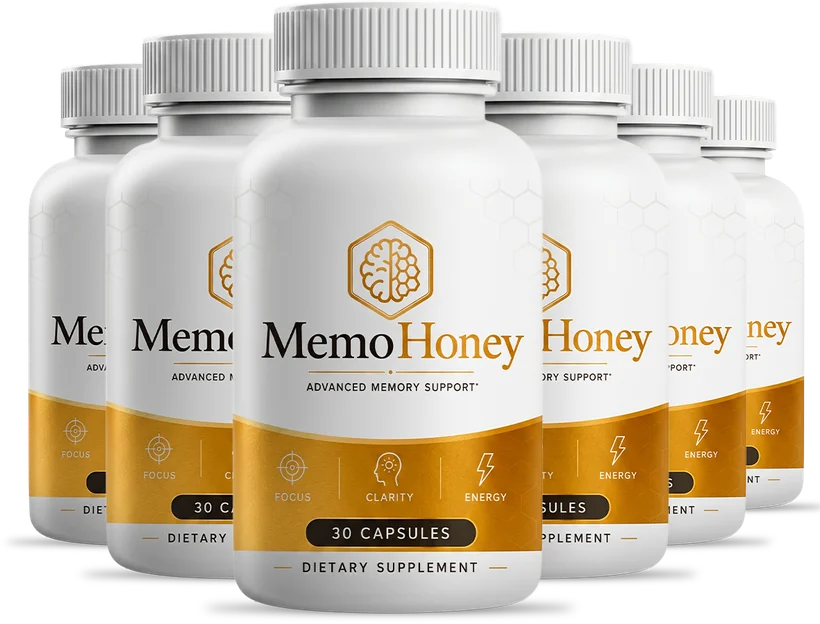
How this applies to MemoHoney
MemoHoney is built almost entirely around this pathway — L-Arginine, L-Arginine AKG, L-Citrulline HCL and L-Citrulline Malate all feed nitric-oxide production, with Niacin supporting cellular energy on top. It’s a focused, mechanistically coherent formula. The open questions, as always, are dosing and whether the finished product reproduces the ingredient research — which we cover in why dosage transparency matters.